
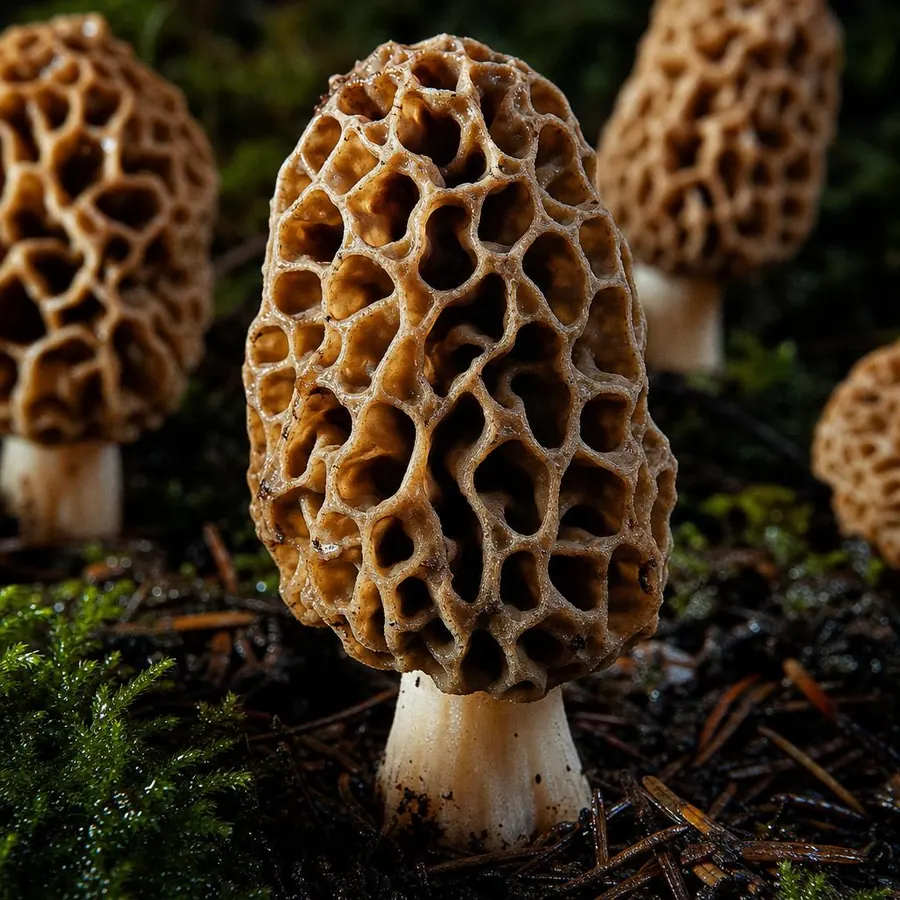
Consider the package and intended use
Dried gucchi mushrooms are a speciality ingredient, so plan how you will prepare them before buying. Check the ingredient list, product description, date and storage directions. Choose packaging that is securely closed and intact, and make sure the quantity suits the number of meals you expect to cook.
Wild mushrooms can naturally differ in shape and size, so uniform pieces are not a realistic requirement. Instead, look for a clean, well-sealed package and read any handling or allergen notes. If you have concerns about the identity or suitability of a mushroom product, do not rely on appearance alone; contact the seller for clarification.
Protect the dried mushrooms at home
After opening, reseal the pack carefully or transfer the mushrooms to a clean airtight container. Keep them in a cool, dry cupboard away from steam, sunlight and strong-smelling foods. Moisture is the main storage concern; a damp location or wet utensil can compromise dried ingredients.
Use dry hands and inspect the pieces each time before cooking. If the mushrooms appear mouldy, damp or unusually scented, do not taste them. Store prepared, rehydrated mushrooms separately from the dry pack and refrigerate cooked dishes promptly. Follow any specific shelf-life instructions printed on the package.
Build a safe preparation routine
Before use, rinse gently, soak in warm water for 20 to 30 minutes and check the folds for grit. Strain soaking liquid carefully if your recipe uses it. Cook rehydrated mushrooms thoroughly in soup, pulao, gravy or another reliable recipe; never eat dried gucchi raw.
Because preparation takes attention, gather a clean bowl, strainer and board before starting. This small routine makes it easier to separate gritty soaking liquid from clear liquid and to inspect every piece. Refrigerate leftovers covered and reheat thoroughly. If you are uncertain at any point about safe preparation, do not serve the dish.