Choose a gentle method
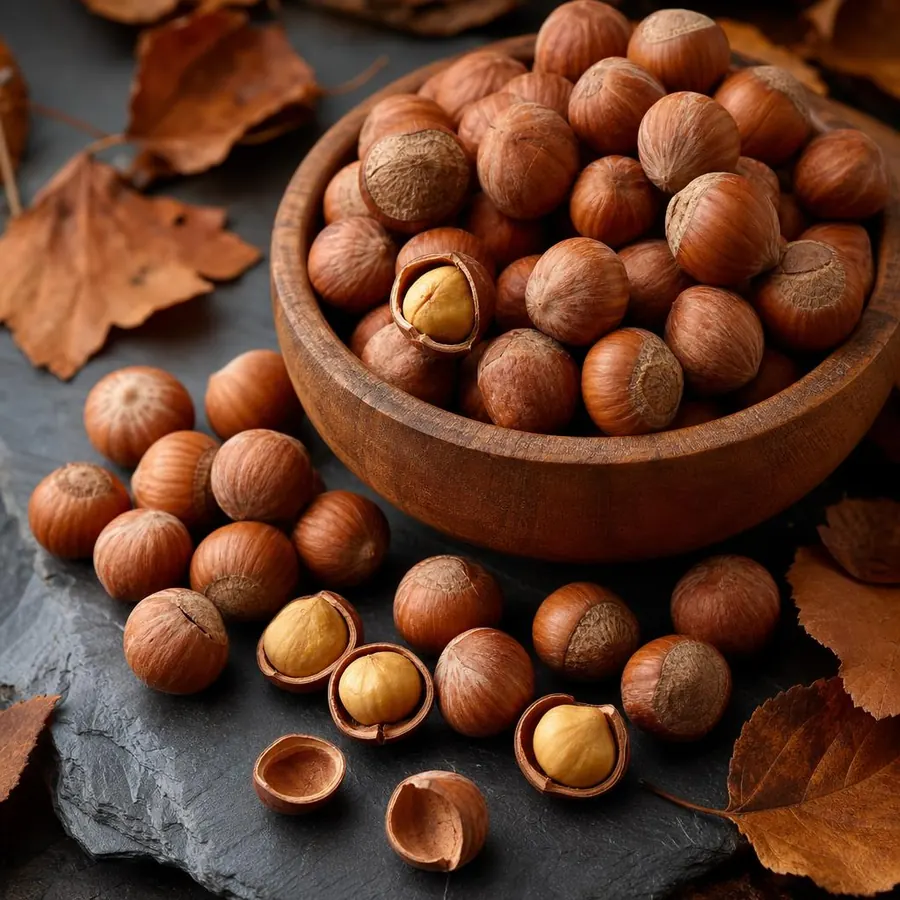
Toasting is optional, but gentle heat brings out a warmer aroma and makes hazelnuts a useful finishing ingredient. For a stovetop batch, use a dry heavy pan over low to medium-low heat. Add whole nuts in a single layer and move them frequently so that one side does not colour much faster than the rest.
For the oven, spread nuts on a tray and use moderate heat, checking frequently and stirring partway through. Time depends on the oven and the amount being toasted, so use aroma and colour as cues rather than walking away. Remove the tray as soon as the nuts smell fragrant and let them cool on a separate surface.
Chop after cooling
Allow toasted hazelnuts to cool completely before chopping. Warm nuts can release oils and may feel softer, making an even chop harder. A sturdy knife and a stable board are safer than trying to crush nuts in your hand. For a topping, keep some pieces coarse so the finished food has noticeable texture.
If you plan to use the nuts in a sauce or baking mixture, chop them to suit the recipe. Fine pieces spread through dough or a dressing; larger pieces are more noticeable on roasted vegetables or salads. Add them close to serving when you want a pronounced crunch, because wet ingredients soften toasted nuts.
Use promptly and avoid scorching
Try toasted nuts over cooked grains, soup, fruit, yoghurt or a simple green salad. They can also be folded into cookie dough or a savoury crumb topping. Match the portion to the dish and taste as you go; toasted flavour can be intense, so a small amount often gives enough contrast.
Cool any extra nuts fully, then place them in a clean airtight container away from heat, moisture and strong smells. Make small batches for best flavour and check them before serving; discard nuts that smell stale or otherwise seem spoiled. Anyone with a tree-nut allergy should avoid hazelnuts and prevent cross-contact.