
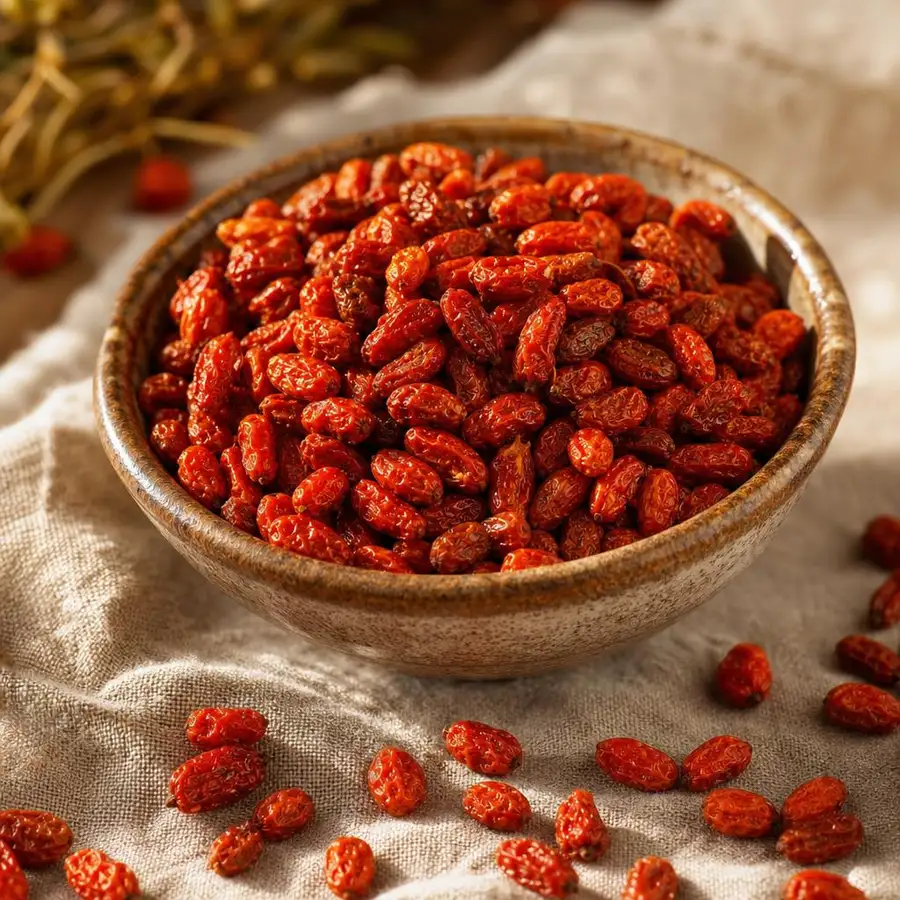
Read the pack before buying
When choosing dried seabuckthorn, start with the ingredient list, pack condition and the storage guidance provided by the seller. A sealed, intact package protects the contents during handling. Check the printed date and any allergen or processing notes, especially if the berries will be served to someone with dietary restrictions.
Dried fruit can naturally differ from batch to batch in appearance and texture. Colour alone cannot tell the whole story, so avoid expecting every berry to look identical. Once opened, inspect the contents and notice whether the aroma seems normal. If the pack is damaged or the food appears spoiled, do not taste it.
Store away from humidity
Close the package tightly after each use, or transfer the berries to a clean airtight jar. Choose a cool, dry cupboard away from sunlight, steam and the heat of cooking. A shelf beside a kettle or sink is less suitable because repeated moisture can enter when the container is opened.
Use clean, dry hands or a dry spoon to take a portion. Avoid tipping berries directly into a wet bowl and returning unused fruit to the pack. If you live in a humid environment, a well-sealed container is especially useful. Follow any more specific storage instructions printed on the product.
Plan uses for an opened pack
Try a small handful in yoghurt, oats, trail mix or a hot-water infusion to find the use that best matches the tart flavour. If texture is firm, briefly soaking can soften berries for a chutney or breakfast bowl. Preparation is flexible, so choose a method that fits your recipe rather than making the ingredient complicated.
Keep prepared dishes separate from the dry product and refrigerate leftovers where appropriate. Dried berries are a food ingredient, not a substitute for medical advice or a balanced variety of foods. Start with a modest amount if the taste is new, and check all package details before serving to others.